RUBELLA INFECTION
Description
IgM AND IgM
- Negative <0.90 OD ratio
- Equivocal : 0.91-1.10 OD ratio
- Positive :>.11 OD ratio

Clinical significance
- Rubella infection is commonly known as German measles or 3 days measles. Primary medical danger of rubella is the infection of pregnant women, which may potentially cause congenital syndrome in the developing infant. The rubella rash may last from 1-5 days, but 3 days is the most common. Children with rubella usually recover in one week, but adults may take longer
- The virus passes from person to person through droplets and fluids from the nose and throat. The infection can cause symptoms such as fever, enlarged lymph nodes, runny nose, red eyes, and joint pain
- If a pregnant woman contracts it during the first three months of pregnancy it can cause miscarriage, still birth, or congenital rubella syndrome, a group of serious birth defects that will permanently affect the child
- There are two types of rubella antibodies that lab can detect IgM and IgG. The first one to appear in the blood after exposure is IgM Rubella antibody. The level rises and peaks in the blood within 7 to 10 days after infection and then tapers off over the next few weeks, except in a new born in whom it may be detected for several months to a year
- IgG antibody takes a bit longer to appear than IgM, but once it does it stays in the blood for life providing protection against re-infection
- Presence of IgM antibodies in the blood indicates a recent infection while the presence of IgG antibodies may indicates a recent or past rubella infection, or indicates a rubella vaccine has been given and is providing adequate protection
- IgM rubella test is the standard test for the rapid laboratory diagnosis of Rubella
When to get tested
- Prior to or at the beginning of a pregnancy to verify immunity
- When a pregnant woman has symptoms of rubella (fever, rash , runny nose, inflamed eyes, aching joints)
- When a newborn shows signs of abnormal development or birth defects that may be caused by an in-utero infection
- Whenever there is a need to verify a recent rubella infection or to verify immunity
Elevated level
Decreased level
Profile
ALL TEST
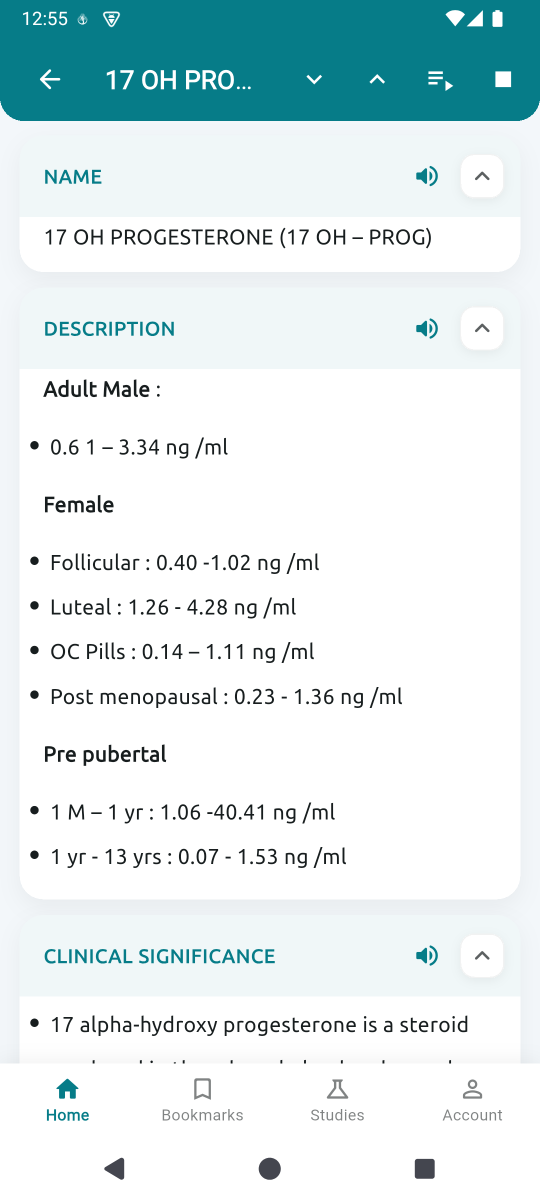
Turn your phone into a full-featured Ayurveda clinic
Reference library, prescription studio, classical texts and everyday productivity tools — all in one app. Try Bhishak with a trial subscription; unlock the full experience once you’re in.