Troponin (I or T)
Description
- Normal Range : < 0.04 ng/ml
- Probable heart attack : > 0.40 ng/ml
Clinical significance
- Troponin is the most specific cardiac marker. Troponins are proteins found in the heart and skeletal muscle fibres that regulate muscular contraction. It is elevated within a few hours of heart damage and remains elevated for upto two weeks.
- Normally , troponin is present in very small quantites in the blood. When there is damage to heart muscle cells, troponin is released into the blood. More the damage, greater will be the concentration in blood.
- There are three types of Troponin proteins : Troponin C , Troponin T and Troponin I. Troponin C initiates contraction by binding calcium and moves troponin I so that the two proteins that pull muscle fibre shorter can interact. Troponin T anchors the troponin complex to the muscle fibre structure. There is little or no difference in Troponin C between skeletal and cardiac muscle, but the form of troponin I and T are different.
- Measuring the amount of cardiac specific Troponin T or I in the blood can help to identify damage to the heart.
When to get tested
- When there is suspicion of Heart attack (following s/s – Chest pain , discomfort or pressure , rapid heart rate , skipping a beat, shortness of breath , fatigue, nausea, vomiting, cold sweat, pain in back, arm ,jaw, neck or stomach)
- When symptoms worsen or occurs at rest in a person with stable angina
Elevated level
- Heart attack
- Cardiomyopathy
- Myocarditis
- Congestive heart failure
- Severe infections
- Kidney disease
Decreased level
Profile
Cardiac
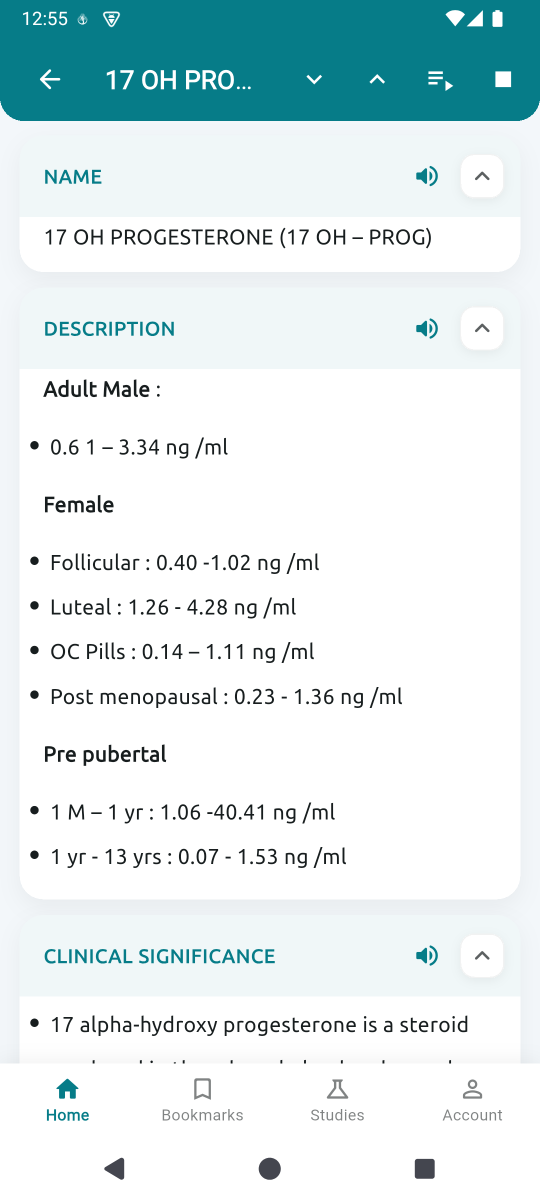
Turn your phone into a full-featured Ayurveda clinic
Reference library, prescription studio, classical texts and everyday productivity tools — all in one app. Try Bhishak with a trial subscription; unlock the full experience once you’re in.